Classic Dart
The familiar pointed dart — quick to fold and built for straight, fast throws.
EasySpeedDistanceBeginner
View Folding GuideFold. Fly. Experiment.
Explore paper airplane designs, follow easy folding instructions, and find the perfect plane for distance, speed, and tricks.
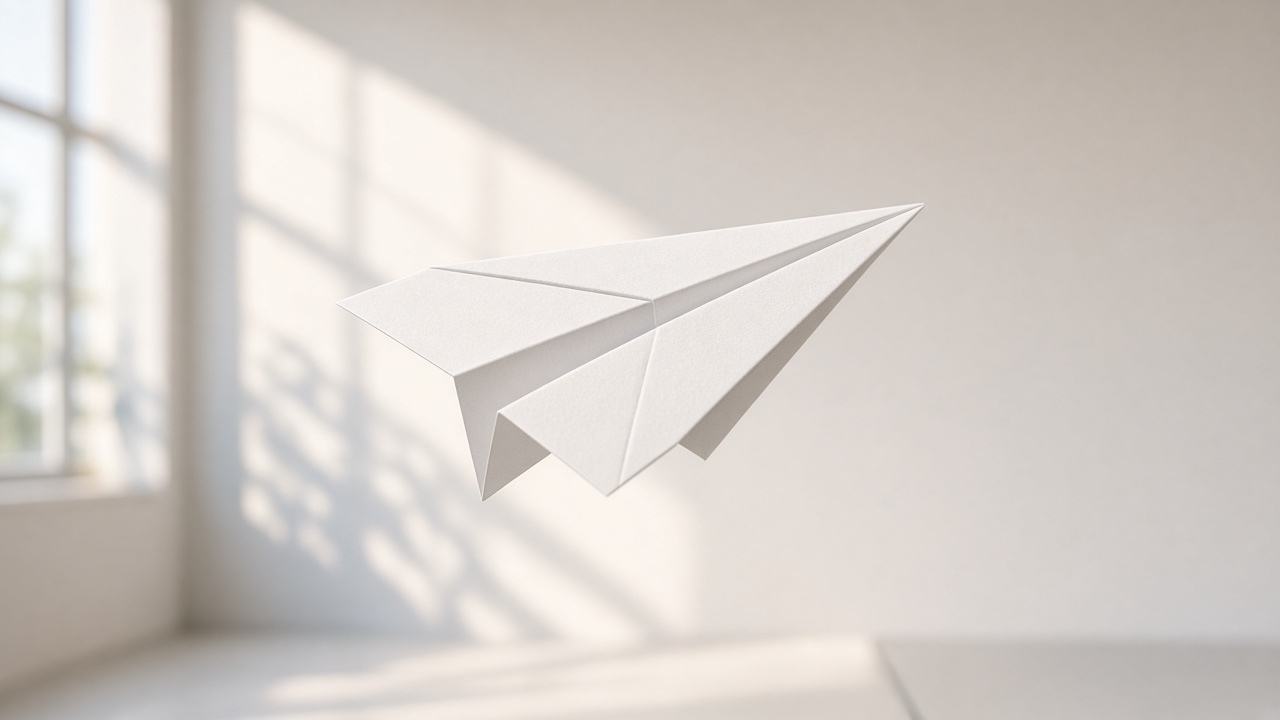
Find your next paper airplane and discover how it flies.
The familiar pointed dart — quick to fold and built for straight, fast throws.
A distance favorite with a locked nose fold that keeps the point from unfolding in flight.
A gentle wide-wing glider meant for soft launches and longer air time indoors.
A long-wing glider layout for calm air and patient, soaring throws.
A thick-nosed dart that stays sturdy and tracks well on firm indoor throws.
A calm, stable cruiser for relaxed indoor flying and gentle experiments.
Step 1
Use A4 or Letter printer paper for predictable creases and trim.
Step 2
Move through illustrated steps one at a time and keep both sides matched.
Step 3
Start with a level throw, then adjust elevators based on what you see.
Start with How Do Paper Airplanes Fly?.
It depends on your goal. For a first flight, start with the Beginner Plane or Classic Dart. For glide time, choose a wide-wing glider. For distance practice, try a locked-nose dart such as the Nakamura Lock.
Use a sharp, symmetric dart, throw level with a smooth follow-through, and trim diving with tiny upward elevators. Outdoor distance also improves in light tailwind and open space.
Standard 70–90 gsm printer paper in A4 or Letter size is the most reliable. Very thin paper wrinkles; card stock is often too stiff for fine wing trim.
Choose a glider with more wing area, launch softly, and keep the wings wrinkle-free. Soft elevators help maintain a gentle descent instead of a dive.
Matched wings, a sensible nose weight, and a mild dihedral (wings angled slightly up) help the plane self-correct after small tilts.
Yes. Short sequences like the Beginner Plane work well. An adult can help with crisp first creases, then kids can decorate and practice soft throws.